
 Catoctin operates as a dedicated metal finishing service provider executing silver plating services per ASTM B700 and QQ-S-365 specifications for industrial and defense sectors. Our automated and semi-automated plating lines support electronics, telecommunications, military defense, and aerospace manufacturers. We provide silver plating with competitive lead times of approximately two weeks. Learn more about the electroplating process, its distinct operational benefits, and common industrial applications.
What Is Silver Plating
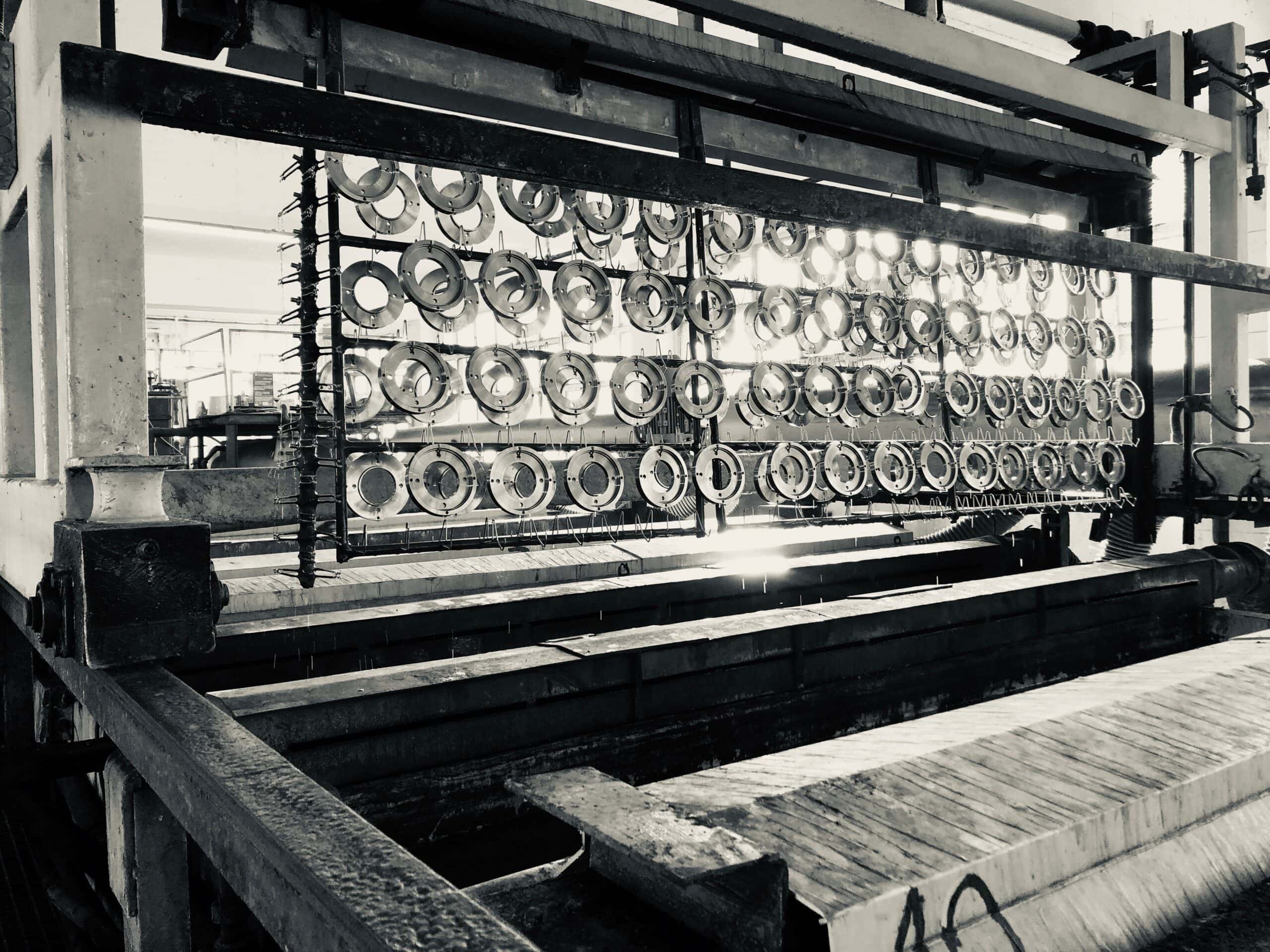
The electrodeposition process applies a precise layer of pure silver onto a conductive metal substrate. Technicians begin by cleaning and preparing the base material to remove surface contaminants. Operators then submerge the raw component into a chemical bath containing dissolved silver ions. An electrical current passes through the liquid solution to bond the silver material directly to the part’s surface. This sequence alters the physical properties of the original component without changing its core structural geometry.
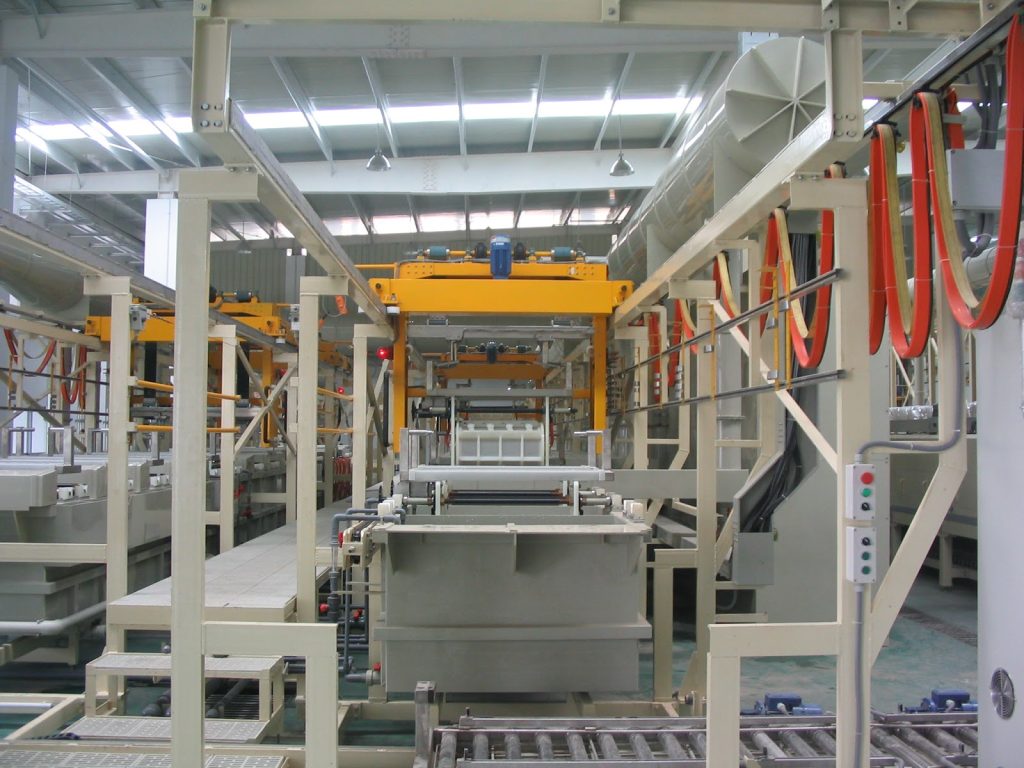
We execute this procedure using advanced automated and semi-automated plating lines. Our facility utilizes large plating tanks to accommodate diverse part dimensions. Utilizing automated equipment allows our technicians to maintain exact Mil-Spec thickness tolerances across large production batches.
Uses of Silver Plating
Silver possesses the highest electrical and thermal conductivity of any known metal. Lead engineers specify this finish to elevate the performance metrics of active electronic and mechanical components. Common uses include:
- Enhancing conductivity. The applied coating minimizes electrical resistance in physical contacts and complex switches.
- Regulating thermal output. Silver rapidly dissipates excess heat away from sensitive mechanical assemblies to prevent overheating.
- Providing anti-galling protection. The natural lubricity of the metal prevents moving components from seizing under heavy friction.
- Improving solderability. The finished surface accepts solder easily to streamline secondary manufacturing operations on your assembly line.
- Resisting corrosion. The barrier protects internal metal substrates from environmental degradation and chemical exposure.
Benefits of Silver Plating Services
Working with Catoctin Metal Finishing LLC solves common supply chain delays for project managers and procurement teams. We structure our operations to maximize efficiency and reduce your overall manufacturing costs. Benefits include:
- Expedited turnaround times. Most jobs are completed in two weeks, significantly outperforming the eight-to-ten-week timelines of regional competitors.
- Optimized project budgets. Lower minimum lot charges help keep small and mid-sized production runs cost-effective.
- Certified compliance protocols. The facility maintains ISO 9001:2015 certification and ITAR compliance to satisfy stringent defense and aerospace mandates.
- Reliable process consistency. High-tech semi-automated equipment eliminates human processing variables typical of manual plating setups.
Silver Plating Applications
Our technicians process hardware for several demanding sectors that require exact specifications. Applications include:
- Telecommunications. We plate microwave housings and related transmission hardware to support signal clarity.
- Electronics manufacturing. The finish protects electronic connectors and delicate circuitry. We process electronic switches specifically designed for nuclear power plants.
- Military defense. We process hardware to meet exact defense contractor specifications.
- Aerospace. The metal protects vital communication and navigation components exposed to extreme atmospheric conditions.
Learn More About Catoctin Metal Finishing’s Silver Plating Services
Procurement teams need reliable partners to meet strict production schedules. Catoctin Metal Finishing possesses the necessary technical expertise and efficient equipment to process your components. We complete silver plating projects in a fraction of the time required by standard facilities. Partner with our team to secure competitive pricing and rapid silver plating services for your next build.
Contact us or request a quote today.